
In the glass bottle production process, there are several processes for polishing glass bottles. It uses physical or chemical methods to remove some lines, scratches and other defects on the surface of the glass bottle container to improve the transparency and brightness of the glass bottle, making the product more upscale and more vitrified.
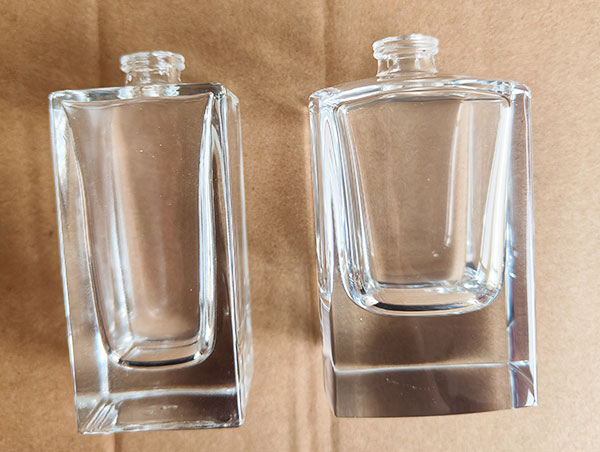
The first method is template polishing, which uses the template to soften and bake the surface of the glass container. Fire impact can remove some diagonal lines, wrinkles, and hollow glass containers on the surface of the glass bottle container. After cutting the mouth, the mouth template will be polished, but this treatment method will reduce the surface of the glass and is easy to explode. The applicable glass materials are mostly calcium glass and high borosilicate glass.
The second method is to use polishing powder to polish. This method is to remove scratches by high-speed friction on the glass surface, which can maximize the light transmittance and refraction effect of the glass. Before polishing, the polishing part must be sanded with a sand belt (a diamond grinding disc with a mesh of 400 or more is required). This method uses a lot of materials, and the best effect is cerium oxide (rare earth polishing powder), but this process is relatively slow and suitable for most glass products.
The third method is acid polishing, which uses the corrosive effect of acid on the glass surface to treat the surface. Sanding with a sand belt is also required before polishing, because acid polishing will reduce the thickness of the glass itself a lot, and it may not be able to completely remove the texture on the glass surface. The formulation of the acid solution must also change with the different glass materials. This polishing method has certain risks, but it can be applied to any material of glass. The disadvantage is that it is difficult to control the smoothness of the glass surface and there will be certain damage to the edges and corners of the glass.